

Baby Sleep Advisor

Helping parents choose the best baby sleep products

Category: Sleep Environment

  • Baby Wakes Up Every 45 Minutes? Why It Happens and What Helps

    Baby Wakes Up Every 45 Minutes? Why It Happens and What Helps

    Last updated: March 2026

    Introduction

    Many parents notice a frustrating pattern: their baby falls asleep easily but wakes up again after about 40 to 50 minutes. This can happen repeatedly during naps or throughout the night, leaving both baby and parents exhausted.

    If your baby wakes up every 45 minutes, it usually means they are transitioning between natural sleep cycles. Babies move between light and deep sleep more frequently than adults, and small disturbances in their sleep environment can wake them up during these transitions.

    Understanding why this happens can help you support longer and more restful sleep.

    What Happens During a Baby’s 45 Minute Sleep Cycle

    Unlike adults, babies have shorter sleep cycles that typically last between 40 and 60 minutes.
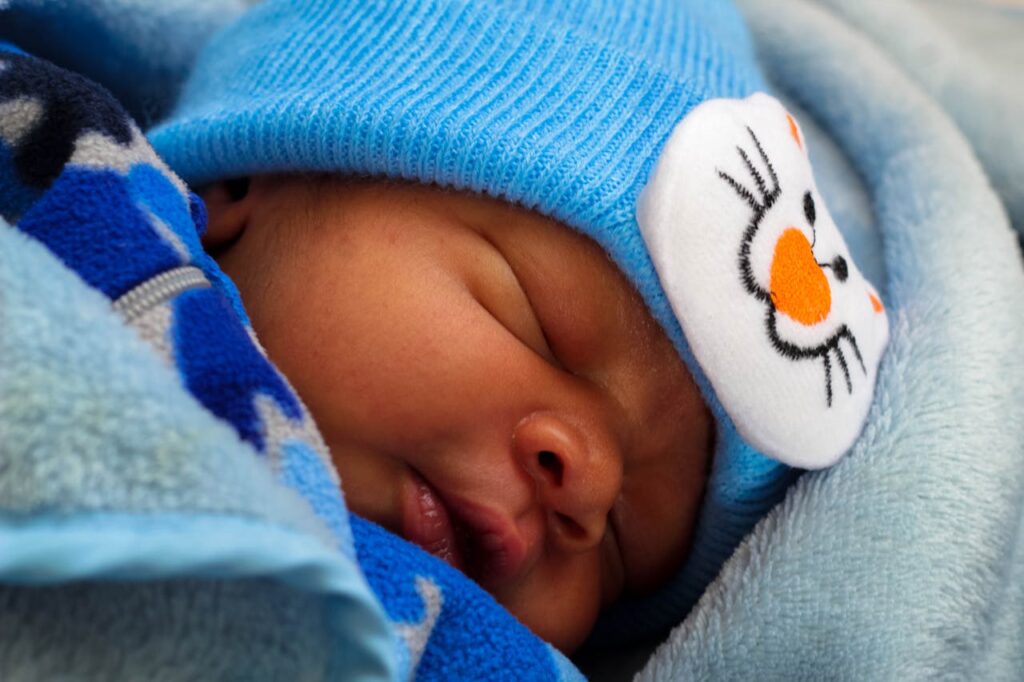
    Baby wakes up every 45 minutes during sleep cycle transition

    During each cycle, babies move through stages of sleep that include:

    • Light sleep
    • Active REM sleep
    • Deeper restorative sleep

    At the end of a cycle, babies naturally enter a lighter sleep stage. This is the moment when many babies briefly wake up.

    If something in the environment feels different than when they first fell asleep, they may wake fully instead of continuing into the next cycle.

    Why a Baby Wakes Up Every 45 Minutes

    Several factors can make these natural transitions more difficult.

    Sleep environment disruptions

    Light entering the room, sudden noise, or temperature changes can wake a baby during lighter sleep stages.

    A consistent baby sleep environment helps reduce these disturbances and allows babies to transition between cycles more easily.

    Over-tiredness

    When babies stay awake too long between naps, their bodies release stress hormones such as cortisol.

    This can make sleep more restless and increase the likelihood of waking between cycles.

    Sleep associations

    If a baby falls asleep while being rocked, fed, or held, they may expect the same conditions when transitioning between sleep cycles.

    When those conditions are no longer present, they may wake and cry.

    Developmental changes

    Sleep patterns change rapidly during the first year of life. Growth spurts, developmental leaps, and new skills can temporarily disrupt sleep.

    This is normal and usually improves with time.

    How the Sleep Environment Can Help

    One of the most effective ways to reduce frequent waking is to create a consistent and calming sleep environment.

    Important factors include:

    • A dark room during sleep
    • Stable room temperature
    • Consistent background sound
    • A predictable bedtime routine

    Many parents use white noise to help mask sudden sounds that might wake a baby during lighter sleep stages. A dedicated white noise machine for babies can provide more consistent sound than phone apps.

    If you are using white noise, it is important to keep it at a safe level. You can read our guide on white noise volume for babies to understand safe sound levels.

    When Frequent Waking Is Normal

    Some babies naturally wake more often than others.

    Frequent waking is especially common during:

    • The first 4 months of life
    • Developmental leaps
    • Sleep regressions

    In many cases, babies simply need time to learn how to transition between sleep cycles independently.

    How to Help a Baby Who Wakes Up Every 45 Minutes

    Parents can support longer sleep stretches by encouraging consistency.

    Helpful strategies include:

    • Putting babies down when they are sleepy but still awake
    • Keeping the sleep environment consistent each night
    • Using dim lighting during night wakings
    • Avoiding overstimulation before bedtime

    Small changes in the sleep setup can make a meaningful difference over time.

    When to Talk to a Pediatrician

    While waking between sleep cycles is very common, there are situations where parents may want to speak with a pediatrician.

    Consider asking a healthcare professional if:

    • Your baby seems unusually uncomfortable during sleep
    • Waking is accompanied by frequent crying or distress
    • Sleep suddenly changes dramatically without an obvious cause
    • Your baby shows signs of illness or discomfort

    In most cases, waking every 40–60 minutes is simply part of normal infant sleep development. However, a pediatrician can help rule out medical causes and provide reassurance if parents are concerned.

    Final Thoughts

    If your baby wakes up every 45 minutes, it does not necessarily mean something is wrong. Many parents become concerned when their baby wakes up every 45 minutes, but this pattern is often a normal part of infant sleep development. In most cases, it simply reflects how infant sleep cycles work.

    By creating a calm and predictable sleep environment, many babies gradually learn to move between sleep cycles without fully waking.

    Over time, this often leads to longer naps and more restful nights for the whole family.
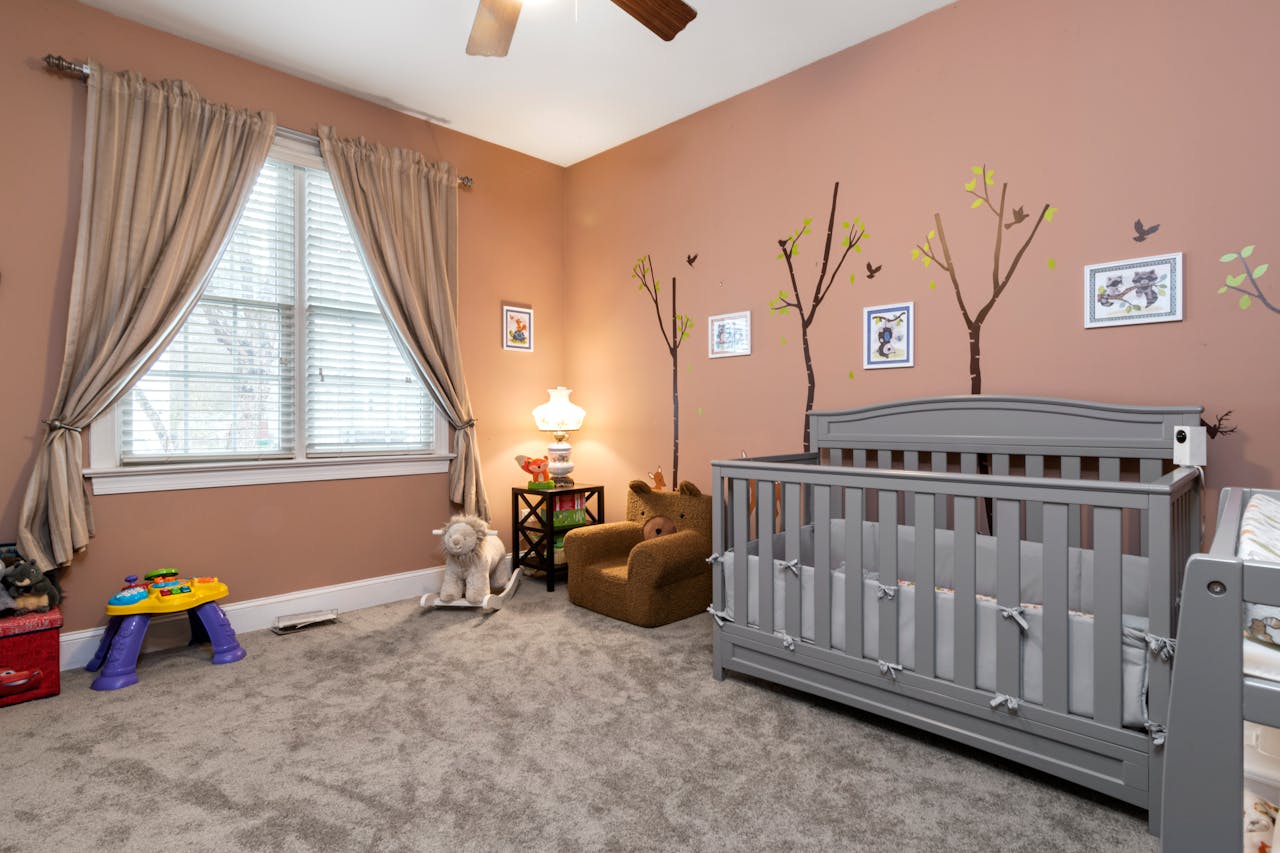
  • The Complete Guide to Creating the Perfect Baby Sleep Environment

    The Complete Guide to Creating the Perfect Baby Sleep Environment

    Last updated: February 2026

    A well-designed baby sleep environment can improve sleep quality, reduce night wakings, and support healthy sleep habits from the start.

    Introduction

    The baby sleep environment plays a crucial role in how easily your baby falls asleep and stays asleep. Even small environmental factors like lighting, temperature, and noise can significantly affect sleep quality during the first year of life.

    For many parents, sleep challenges are not always about routines alone. Often, the physical sleep setup is the hidden factor behind frequent night wakings, short naps, or difficulty settling.

    This guide explains how to create an optimal baby sleep environment based on safety recommendations, sleep science, and real world parenting experience.

    Small environmental adjustments are often overlooked, yet they can significantly influence how long and how deeply a baby sleeps.

    Why the Baby Sleep Environment Matters

    Babies are highly sensitive to external stimulation. Unlike adults, they do not filter light, sound, and temperature changes as efficiently during sleep cycles.

    An inconsistent environment can lead to:

    • Frequent night wakings
    • Short naps
    • Difficulty self-settling
    • Over-tiredness cycles

    A consistent, calm sleep space helps babies associate their surroundings with rest, which supports longer and more restorative sleep over time.

    1. Darkness: One of the Most Important Sleep Signals

    Light exposure directly affects melatonin production, the hormone responsible for regulating sleep.

    Closing blackout curtains to create a dark baby sleep environment

    For optimal sleep:

    • The room should be very dim during naps and bedtime
    • Blackout curtains can help block early morning sunlight
    • Avoid bright overhead lighting before sleep

    If you can clearly see toys or details in the room at bedtime, the environment may be too bright for optimal sleep.

    A darker room supports deeper and longer sleep cycles, especially during daytime naps.

    2. Sound Levels and Background Noise

    Sudden environmental sounds can easily disrupt a baby’s sleep, particularly during lighter sleep stages.

    Consistent background noise can help:

    • Mask sudden household sounds
    • Reduce startle responses
    • Support longer sleep stretches

    However, volume and consistency matter more than the presence of noise alone. Safe sound levels and proper placement are key considerations in any sleep setup.

    If you’re unsure about safe sound levels, read our full guide on white noise volume for babies to understand how loud is too loud.

    Many parents choose to use a dedicated sound machine rather than a phone app. You can compare the best white noise machines for babies based on features, safety, and room size.

    3. Ideal Room Temperature for Infant Sleep

    Temperature is often overlooked but has a direct impact on sleep quality and comfort.

    Most pediatric sleep recommendations suggest:

    • A room temperature between 20–22°C (68–72°F)
    • A slightly cool environment rather than a warm one

    Overheating may lead to:

    • Restless sleep
    • Increased night wakings
    • Discomfort during sleep cycles

    This is particularly important during the first year of life. Babies are not yet able to regulate their body temperature as efficiently as adults. When a room is too warm, their body has to work harder to cool down, which can interrupt sleep cycles and cause more frequent movement or partial awakenings. Maintaining a slightly cool and stable temperature helps create a comfortable baby sleep environment throughout the night.

    Instead of heavy blankets, breathable sleepwear and a consistent room temperature provide a safer and more stable setup for infant sleep.

    4. A Safe and Minimal Crib Setup

    A simple crib setup is both a safety best practice and a sleep optimization strategy.

    A recommended sleep space includes:

    • A firm mattress
    • A fitted sheet
    • No loose items in the crib

    According to the American Academy of Pediatrics safe sleep guidelines, babies should be placed on a firm, flat surface with no loose bedding or soft objects in the sleep area.

    Avoid:

    • Pillows
    • Loose blankets
    • Plush toys
    • Crib bumpers

    A minimal environment reduces distractions and supports safer sleep according to pediatric guidelines.

    5. Consistency: The Hidden Sleep Multiplier

    Babies thrive on repetition and environmental predictability.

    Keeping the following elements consistent helps reinforce sleep cues:

    • Same sleep location
    • Similar lighting conditions
    • Stable sound environment
    • Familiar bedtime surroundings

    When the sleep environment remains predictable, babies learn to associate that space with rest more quickly.

    In smaller living spaces, monitoring can provide peace of mind without disturbing sleep. Here’s our guide to the best baby monitor for small apartments if you’re choosing a setup for limited space.

    6. Day vs Night Environment Differences

    Helping babies distinguish between day and night can improve circadian rhythm development.

    Daytime sleep environment:

    • Dim but not pitch dark
    • Normal household noise acceptable

    Nighttime sleep environment:

    • Darker room
    • Quiet or consistent background sound
    • Calm and low stimulation interactions

    This contrast supports natural sleep regulation over time.

    During the first months of life, a baby’s circadian rhythm is still developing. Clear environmental differences between day and night help signal when it is time to be alert and when it is time to rest. A consistent baby sleep environment at night reinforces these cues and can gradually support longer nighttime stretches.

    7. Common Sleep Environment Mistakes Parents Make

    Many sleep disruptions are linked to environmental inconsistencies rather than routines alone.

    Common mistakes include:

    • Overly warm rooms
    • Bright lighting during night wakings
    • Frequent changes in sleep location
    • Overstimulating bedtime surroundings

    Addressing these factors can often improve sleep without major schedule changes.

    Quick Baby Sleep Environment Checklist

    To simplify everything, here is a quick summary of what makes an effective baby sleep environment:

    • Dark or very dim room during sleep
    • Consistent background noise at safe levels
    • Room temperature around 20–22°C (68–72°F)
    • Firm mattress with fitted sheet only
    • Minimal stimulation before bedtime
    • Consistent sleep location whenever possible

    Reviewing these basics regularly can help you identify small adjustments that may improve sleep quality.

    Final Thoughts

    Creating the ideal baby sleep environment does not require complicated setups or excessive products. Instead, the focus should be on consistency, safety, and low stimulation.

    A calm, dark, and comfortable environment helps babies transition between sleep cycles more smoothly and supports healthier long term sleep habits.

    Small environmental adjustments can make a meaningful difference in both sleep quality and parental peace of mind.

    When combined with a predictable bedtime routine, a well-designed baby sleep environment becomes a powerful cue for rest. Over time, babies begin to associate their surroundings with sleep, which can make falling asleep and returning to sleep between cycles easier and more natural.

    If sleep challenges continue despite an optimized baby sleep environment, the cause may be related to sleep cycles or over-tiredness patterns rather than the room setup alone.

    Understanding the role of the sleep environment is often the first step toward more consistent and restorative nights.