
Baby Sleep Advisor

Helping parents choose the best baby sleep products

Tag: sleep environment

  • Baby Wakes Up Every 45 Minutes? Why It Happens and What Helps

    Baby Wakes Up Every 45 Minutes? Why It Happens and What Helps

    Last updated: March 2026

    Introduction

    Many parents notice a frustrating pattern: their baby falls asleep easily but wakes up again after about 40 to 50 minutes. This can happen repeatedly during naps or throughout the night, leaving both baby and parents exhausted.

    If your baby wakes up every 45 minutes, it usually means they are transitioning between natural sleep cycles. Babies move between light and deep sleep more frequently than adults, and small disturbances in their sleep environment can wake them up during these transitions.

    Understanding why this happens can help you support longer and more restful sleep.

    What Happens During a Baby’s 45 Minute Sleep Cycle

    Unlike adults, babies have shorter sleep cycles that typically last between 40 and 60 minutes.
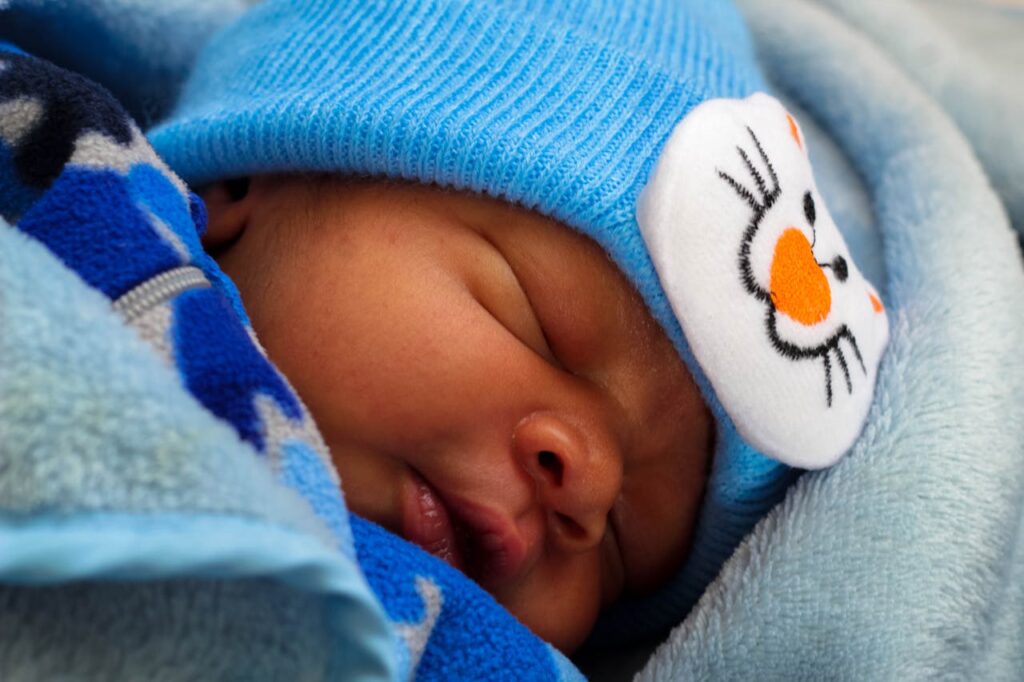
    Baby wakes up every 45 minutes during sleep cycle transition

    During each cycle, babies move through stages of sleep that include:

    • Light sleep
    • Active REM sleep
    • Deeper restorative sleep

    At the end of a cycle, babies naturally enter a lighter sleep stage. This is the moment when many babies briefly wake up.

    If something in the environment feels different than when they first fell asleep, they may wake fully instead of continuing into the next cycle.

    Why a Baby Wakes Up Every 45 Minutes

    Several factors can make these natural transitions more difficult.

    Sleep environment disruptions

    Light entering the room, sudden noise, or temperature changes can wake a baby during lighter sleep stages.

    A consistent baby sleep environment helps reduce these disturbances and allows babies to transition between cycles more easily.

    Over-tiredness

    When babies stay awake too long between naps, their bodies release stress hormones such as cortisol.

    This can make sleep more restless and increase the likelihood of waking between cycles.

    Sleep associations

    If a baby falls asleep while being rocked, fed, or held, they may expect the same conditions when transitioning between sleep cycles.

    When those conditions are no longer present, they may wake and cry.

    Developmental changes

    Sleep patterns change rapidly during the first year of life. Growth spurts, developmental leaps, and new skills can temporarily disrupt sleep.

    This is normal and usually improves with time.

    How the Sleep Environment Can Help

    One of the most effective ways to reduce frequent waking is to create a consistent and calming sleep environment.

    Important factors include:

    • A dark room during sleep
    • Stable room temperature
    • Consistent background sound
    • A predictable bedtime routine

    Many parents use white noise to help mask sudden sounds that might wake a baby during lighter sleep stages. A dedicated white noise machine for babies can provide more consistent sound than phone apps.

    If you are using white noise, it is important to keep it at a safe level. You can read our guide on white noise volume for babies to understand safe sound levels.

    When Frequent Waking Is Normal

    Some babies naturally wake more often than others.

    Frequent waking is especially common during:

    • The first 4 months of life
    • Developmental leaps
    • Sleep regressions

    In many cases, babies simply need time to learn how to transition between sleep cycles independently.

    How to Help a Baby Who Wakes Up Every 45 Minutes

    Parents can support longer sleep stretches by encouraging consistency.

    Helpful strategies include:

    • Putting babies down when they are sleepy but still awake
    • Keeping the sleep environment consistent each night
    • Using dim lighting during night wakings
    • Avoiding overstimulation before bedtime

    Small changes in the sleep setup can make a meaningful difference over time.

    When to Talk to a Pediatrician

    While waking between sleep cycles is very common, there are situations where parents may want to speak with a pediatrician.

    Consider asking a healthcare professional if:

    • Your baby seems unusually uncomfortable during sleep
    • Waking is accompanied by frequent crying or distress
    • Sleep suddenly changes dramatically without an obvious cause
    • Your baby shows signs of illness or discomfort

    In most cases, waking every 40–60 minutes is simply part of normal infant sleep development. However, a pediatrician can help rule out medical causes and provide reassurance if parents are concerned.

    Final Thoughts

    If your baby wakes up every 45 minutes, it does not necessarily mean something is wrong. Many parents become concerned when their baby wakes up every 45 minutes, but this pattern is often a normal part of infant sleep development. In most cases, it simply reflects how infant sleep cycles work.

    By creating a calm and predictable sleep environment, many babies gradually learn to move between sleep cycles without fully waking.

    Over time, this often leads to longer naps and more restful nights for the whole family.
  • How Loud Should White Noise Be for Babies? Safe Volume Guide

    How Loud Should White Noise Be for Babies? Safe Volume Guide

    Last updated: February 2026

    White noise volume for babies is an important part of creating a safe and comfortable sleep environment. Many parents use white noise to help babies sleep, but volume matters. Playing sound too loudly can be uncomfortable or even unsafe, while sound that is too quiet may not mask background noise effectively.

    Understanding the right volume level helps create a calm sleep environment without overstimulation.

    White noise works by creating a consistent background sound that reduces the contrast between silence and sudden noise, helping babies stay asleep longer.

    Recommended White Noise Volume for Babies

    Many experts suggest keeping white noise at or below about 50 decibels, roughly similar to a quiet shower, when placed near a baby’s sleep area. Pediatric sleep experts often recommend moderate sound levels to protect a baby’s sensitive hearing. The goal is to mask sudden environmental sounds without overpowering the baby’s hearing.

    Where to Place a White Noise Machine

    The device should not be placed directly next to the crib. Keeping the machine several feet away helps ensure sound levels remain gentle and evenly distributed.

    Can White Noise Be Too Loud?

    Yes, high volumes can be uncomfortable and may disturb sleep rather than improve it. Adjustable sound levels allow parents to find the right balance.

    How to Tell If Volume Is Comfortable

    If the sound feels gentle and soothing rather than sharp or overwhelming, it is likely appropriate. Parents should monitor their baby’s reactions and adjust as needed.

    If you’re choosing a device, see our guide to the best white noise machines for babies to choose a safe and reliable sound machine.

    Signs White Noise Is Too Loud

    White noise should create a calming background sound, not dominate the room. If the sound feels harsh, overpowering, or distracting to you, it may be too loud for a baby.

    Babies may show signs of discomfort if sound levels are excessive, such as restlessness or difficulty settling. Keeping sound at a gentle, steady level helps maintain a soothing sleep environment.

    When and Why to Adjust White Noise Volume

    Volume may need adjustment depending on the room environment. Louder background noise, such as city traffic, may require slightly higher settings, while quieter homes need lower levels to avoid overstimulation.

    As babies grow, their sleep patterns change and they often become less sensitive to environmental sounds. What works for a newborn may not be necessary for an older infant. Parents can gradually lower white noise volume over time while observing how their baby responds, helping maintain comfort while encouraging natural sleep habits.

    Does White Noise Need to Stay On All Night?

    Some parents choose to run white noise throughout the night to maintain a consistent sleep environment. This can help prevent sudden household sounds from waking a baby.

    Others prefer using timers that gradually turn the sound off once the baby is deeply asleep. Both approaches can work, as long as the volume remains at a gentle level and the baby appears comfortable. Observing how your baby responds helps determine what works best for your sleep routine.

    Finding the right white noise volume is about balance — gentle enough to soothe, but not loud enough to overwhelm.

  • Best White Noise Machine for Babies

    Best White Noise Machine for Babies

    Last updated: February 2026

    Choosing the best white noise machine for babies can make a big difference in sleep quality for both infants and parents. Babies are easily disturbed by household noise, sudden sounds, or changes in environment.

    A good white noise machine helps create a consistent sleep environment by masking background noise and promoting deeper, more restful sleep. Many parents pair sound machines with a reliable baby monitor to stay aware while their baby sleeps.

    In this guide, we compare the best white noise machines for babies based on sound quality, portability, safety features, and ease of use. As an Amazon Associate, we earn from qualifying purchases at no additional cost to you.

    What to Look for in the Best White Noise Machine for Babies

    Key features to look for include:

    • Safe and adjustable volume levels
    • Continuous play option
    • Portability for travel
    • Different sound choices (white noise, lullabies, nature sounds)
    • Easy controls for nighttime use

    A consistent sleep setup often includes both sound control and a reliable baby monitor.

    Best White Noise Machines for Babies

    Quick comparison of the best white noise machines for babies:

    ProductBest ForSound TypePortablePrice RangeView on Amazon
    Hatch RestAll-in-one nursery deviceWhite noise + lightNoMidView current price
    Yogasleep HushhTravelWhite noiseYesLowView current price
    Dreamegg D11Budget pickWhite noise + lullabiesYesLowView current price
    Momcozy Sound MachineVersatile featuresMultiple soundsYesLow-MidView current price
    VTech Baby Sleep SootherNursery useNature + lullabiesNoLow-MidView current price

    Hatch Rest

    Best for: Parents who want a combined sound machine and night light

    Pros

    • Multiple white noise and sound options
    • Adjustable night light
    • App control available

    Cons

    • Not very portable
    • Higher price than basic units

    Why it works for baby sleep
    Provides consistent sound masking and gentle light control for nighttime routines.

    👉 View current price and reviews on Amazon


    Yogasleep Hushh

    Best for: Travel and on-the-go use

    Pros

    • Compact and lightweight
    • Long battery life
    • Simple controls

    Cons

    • Limited sound options
    • No light feature

    Why it works for baby sleep
    Portable white noise helps maintain sleep routines outside the home.

    👉 Check latest price on Amazon


    Dreamegg D11

    Best for: Budget-friendly option

    Pros

    • Multiple sound types
    • Small and portable
    • Affordable

    Cons

    • Build quality is basic
    • Speaker not as powerful

    Why it works for baby sleep
    Offers consistent background noise at a low price.

    👉 See current availability on Amazon


    Momcozy Sound Machine

    Best for: Variety of sounds

    Pros

    • Many sound options
    • Timer and continuous modes
    • Portable design

    Cons

    • Controls can be less intuitive
    • Mid-range price

    Why it works for baby sleep
    Sound variety helps find what soothes your baby best.

    👉 See current availability on Amazon


    VTech Baby Sleep Soother

    Best for: Nursery setup

    Pros

    • Gentle sounds and melodies
    • Trusted brand
    • Easy setup

    Cons

    • Not ideal for travel
    • Fewer advanced features

    Why it works for baby sleep
    Designed for nursery use with calming sound options.

    👉 Check latest price on Amazon


    How White Noise Helps Babies Sleep

    White noise helps babies sleep by creating a consistent sound environment that masks sudden noises like doors closing, voices, or traffic. These unexpected sounds can easily wake a sleeping infant. Combining white noise with a dependable baby monitor can give parents peace of mind during sleep time.

    By providing a steady background sound, white noise reduces the contrast between silence and sudden noise, making sleep less likely to be interrupted. Many babies also find rhythmic sounds soothing because they resemble the environment they experienced before birth.

    When used correctly, a white noise machine can become part of a calming bedtime routine that signals it’s time to sleep.

    Is White Noise Safe for Babies?

    White noise can be safe for babies when used correctly. Experts recommend keeping the volume at a moderate level and placing the device at a safe distance from the crib.

    White noise works by masking sudden environmental sounds that might disturb sleep. However, it should not be played at very high volumes or placed too close to the baby’s ears.

    Using a machine with adjustable sound levels helps parents find a comfortable balance.

    Always follow manufacturer guidelines and monitor your baby’s comfort level when introducing any sleep device.

    Final Recommendation: Best White Noise Machine Picks

    The Hatch Rest stands out as the best overall choice thanks to its combination of sound options and additional nursery features.

    For travel, the Yogasleep Hushh is a compact and reliable option.

    Budget buyers may prefer the Dreamegg D11 for its balance of price and performance.

    Frequently Asked Questions

    Can babies become dependent on white noise?
    Some babies grow used to white noise as part of their sleep routine, but it can usually be phased out gradually if needed.

    How loud should a baby white noise machine be?
    The volume should be comfortable and not overpowering. A moderate sound level that masks background noise is typically sufficient.

    Should white noise run all night?
    Many parents run white noise throughout the night to maintain a consistent sleep environment, but devices with timers can also be used.